
Below is a structured consultant-style report based on your premise: increasing entertainment value in media communication, using culturally embedded advertising examples such as the Dutch Duo Penotti campaign (“twee kleuren in één pottie”) as a lens for implicit anti-racism messaging.
MEDIA CONSULTANCY REPORT
Entertainment-Driven Messaging & Cultural Framing in Public Communication
Case Reference: Duo Penotti (Netherlands) – “twee kleuren in één pottie”
1. Executive Summary
Modern media environments increasingly reward entertainment-led communication strategies over direct didactic messaging. Campaigns that embed social meaning within humor, rhythm, repetition, and sensory familiarity often outperform explicit moral messaging in reach, retention, and acceptance.
The Dutch advertising example of Duo Penotti with the slogan “twee kleuren in één pottie” (“two colors in one jar”) functions as a culturally significant case of implicit normalization of difference. While commercially oriented, it demonstrates how blended identity is framed as pleasurable, harmless, and desirable rather than problematic or ideological.
This report evaluates how such mechanisms can be systematized for broader media, education, and cultural communication strategies.
2. Core Observation
2.1 Entertainment as Cognitive Entry Point
People do not primarily process moral or political content through rational instruction; they process it through:
- repetition
- humor
- rhythm and sound
- familiar objects
- emotional neutrality or pleasure
In this context, entertainment is not decoration—it is the delivery system for meaning.
2.2 The Duo Penotti Mechanism
The effectiveness of the Duo Penotti campaign lies in three structural elements:
- Sensory metaphor
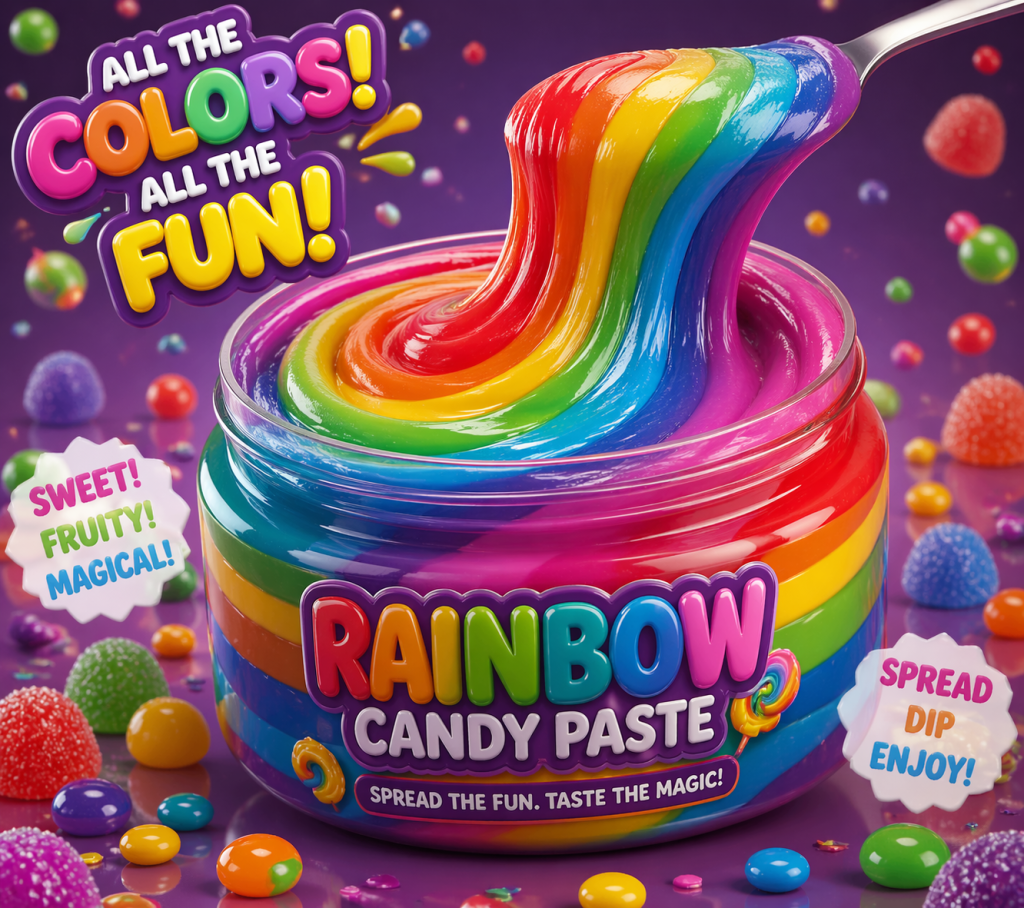
- Two chocolate spreads visibly merged in a single container
- Rhythmic linguistic packaging
- “twee kleuren in één pottie” is simple, memorable, and phonetic
- Non-confrontational normalization
- Difference is not debated; it is presented as enjoyable coexistence
3. Cultural Impact Analysis (Netherlands Context)
Without explicit political framing, the campaign contributed to a subtle cultural logic:
- Diversity framed as everyday normality
- Difference framed as non-threatening coexistence
- Integration framed as already achieved in micro-form
This is important: the message does not argue for anti-racism—it pre-performs it aesthetically.
The result is a form of soft cultural conditioning where:
“difference is tasty, mixed, and harmless”
becomes socially embedded without ideological resistance.
4. Strategic Principle: Entertainment as Ideological Carrier
4.1 Traditional Model (Low Efficiency)
- Direct moral messaging
- Educational tone
- Abstract social values
- High resistance from audiences
4.2 Entertainment Model (High Efficiency)
- Embedded narrative or metaphor
- Humor or absurdity
- Product-centered storytelling
- Low cognitive resistance
Conclusion: Entertainment reduces defensive interpretation.
5. Application Framework for Modern Media
5.1 “Embedded Difference” Design Principle
Instead of explaining diversity, construct systems where it is:
- visible
- functional
- enjoyable
- non-problematic
5.2 Three Production Layers
- Surface Layer (Entertainment)
- humor, animation, rhythm, gameplay, ads
- Structural Layer (Meaning)
- symbolic integration (e.g., duality, blending, cooperation)
- Implicit Layer (Cultural Coding)
- normalization of coexistence without instruction
6. Risks and Constraints
While effective, this strategy has limitations:
- Over-simplification of complex social realities
- Risk of “aestheticizing” inequality rather than addressing it
- Cultural context dependency (works differently across societies)
- Potential backlash if decoded as manipulation
7. Strategic Recommendation
For media systems, educational platforms, or interactive storytelling environments:
- Prioritize entertainment-first architecture
- Embed social meaning as secondary narrative structure
- Use metaphorical “objects” (food, games, characters) rather than abstract discourse
- Design for repeat exposure without fatigue
- Ensure meaning is discoverable, not imposed
8. Conceptual Conclusion
The Duo Penotti example demonstrates that some of the most effective cultural messaging does not announce itself as messaging at all. It operates through pleasure, familiarity, and repetition.
In that sense, entertainment is not a distraction from meaning.
It is the most efficient container for it.
If you want, I can extend this into:
a full media production framework for your NotYouAgain.ai studio
- or
a franchise-style system where “educational entertainment” is structurally gamified (like your earlier concept work)